What cafes cost in Petaling Jaya and what drives the price
Updated 2026-07-05
Why cafe pricing in PJ varies so much
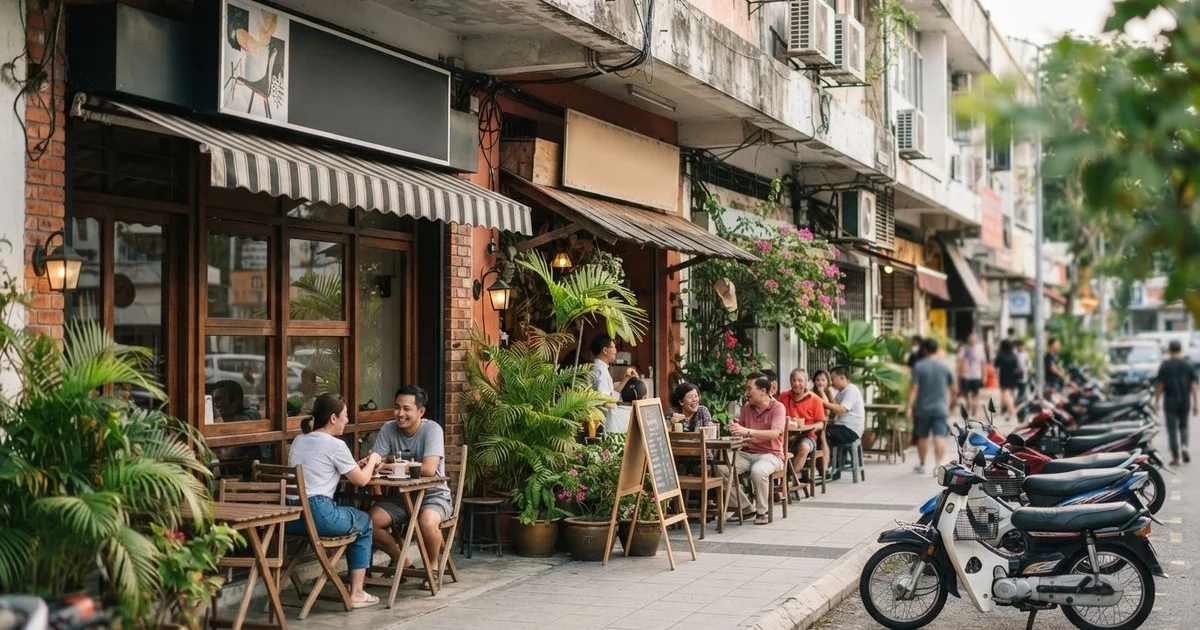
Petaling Jaya has one of the densest cafe scenes in the Klang Valley, and our directory currently scores 419 cafes across the area. That density is exactly why prices swing so much from one street to the next. A shophouse espresso bar in Section 17 and a plant-filled brunch spot in Bandar Utama can both call themselves a “cafe,” yet sit far apart on price, because they’re built around different costs: rent, equipment, sourcing, and the kind of experience they’re selling.
Across the cafes we track, the average Google rating sits at 4.37, which tells you the baseline quality bar in PJ is genuinely high. That makes price less about “good vs bad” and more about what you’re paying extra for: specialty-grade beans, a bigger kitchen menu, aesthetic fit-out, or simply a table that lets you work for four hours without being rushed out.
What you’re actually paying for
Cafes rarely price a flat rate for “coffee.” The bill reflects a mix of factors:
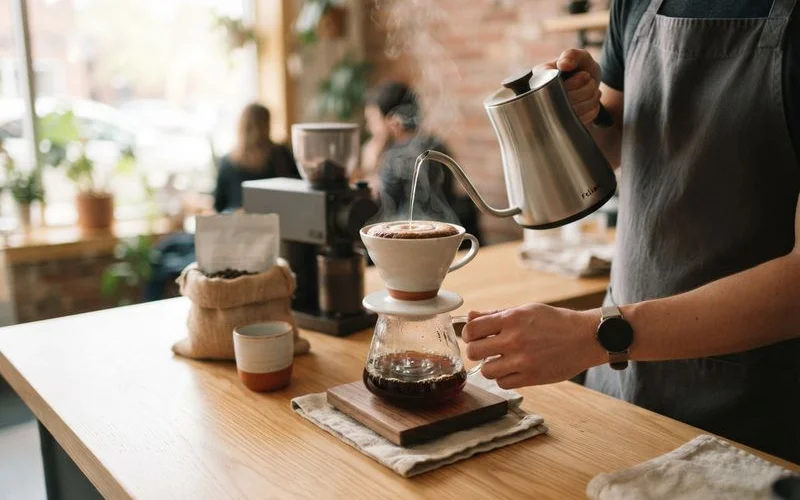
- Bean sourcing and roast quality. Specialty coffee quality is the single most common praise theme in our data (14 mentions), and it’s also the most expensive input to get right. Direct-trade or single-origin beans, proper grinders, and trained baristas cost more to run than a generic espresso machine setup, and that shows up in a RM2 to RM5 premium per cup.
- Kitchen complexity. Brunch and all-day dining is the largest category we track (394 cafes), and full-menu kitchens with eggs, pastries, and mains carry higher food costs than a coffee-only counter. This is also where inconsistent food quality and seasoning shows up most often in complaints (6 and 4 mentions respectively), since a bigger menu is harder to execute consistently at every shift.
- Design and space. Instagrammable decor appears in 8% of praise mentions, and the Aesthetic/Instagrammable category is nearly as large as the Pet-Friendly one (397 vs 399 cafes). Statement interiors, greenery walls, and photogenic corners aren’t free: that capital cost is usually folded into slightly higher menu prices or a minimum spend.
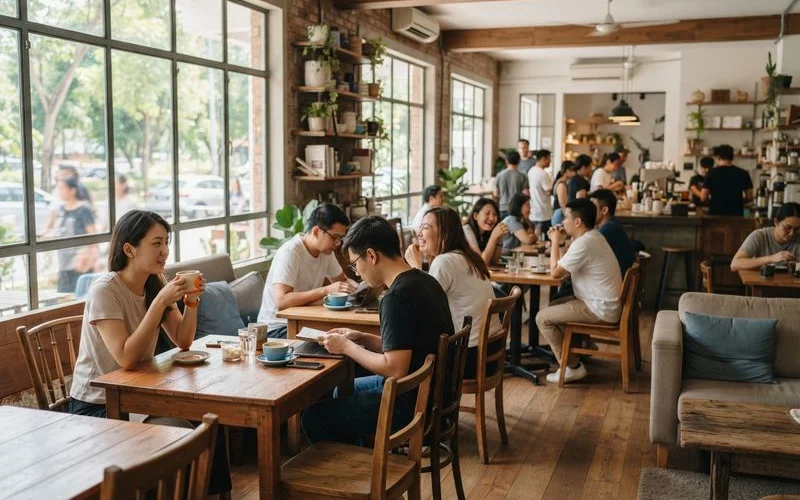
- Seating and dwell time. Study and work-friendly cafes (396 in our tracked set) often price drinks a little higher to offset customers who camp for hours on one order. If a cafe has strong wifi, plugs at every table, and no visible turnover pressure, expect that built into the price.
- Certification and staffing. Halal/Muslim-friendly certification (396 cafes tracked) and consistently friendly, attentive service (the second most common praise theme, 12 mentions) both require ongoing investment in staff training and compliance, which isn’t always visible on the menu but affects overall pricing stability.
A quick cost-driver checklist
Before you judge a cafe as “overpriced,” check whether it’s actually delivering on these:
- Is the coffee single-origin or specialty-grade, or house blend?
- Does the menu go beyond coffee and cake into full brunch or all-day dining?
- Is there a distinct design concept, or is it a standard shoplot fit-out?
- Can you comfortably sit and work for hours, or is turnover expected?
- Is it pet-friendly or halal-certified, both of which add operational overhead?
The more boxes ticked, the more a higher price tag is justified rather than just marked up.
Where the complaints cluster, and why it matters for value
The most common gripes in our data aren’t really about price, they’re about consistency. Inconsistent food quality (6 mentions) and inconsistent service (3 mentions each for quality and general service) show up more than any pricing complaint. That’s useful: it means the bigger risk in PJ isn’t overpaying, it’s paying a fair price for an experience that varies visit to visit. Limited parking and cramped seating (2 mentions each) are minor but worth factoring in if you’re picking a cafe for a long work session or a group booking.
Practical recommendations
- For a quick specialty coffee fix, expect to pay a premium over a mamak kopi-o, and treat that premium as the cost of sourcing and barista skill, not markup for its own sake.
- For brunch or all-day dining, budget for menu-item inconsistency as a real possibility given how often it’s flagged, and don’t assume a higher price guarantees a flawless plate every time.
- For long work sessions, favour cafes explicitly built for it (check the Study & Work-Friendly category) rather than assuming any cafe with wifi welcomes a four-hour laptop session.
- For pet owners or halal diners, confirm certification or pet policy directly, since these are distinct categories in our data rather than a given at every cafe.
If you want the full picture on how we score and categorise cafes, see our <a href=“/methodology/“>methodology</a> page. Otherwise, head back to the <a href=”/“>homepage</a> to browse cafes by category and area.
FAQ
- Is coffee more expensive in Petaling Jaya than elsewhere in the Klang Valley?
- Not inherently. Price differences within PJ itself are usually bigger than differences between PJ and neighbouring areas, because they come down to bean sourcing, menu complexity, and design rather than location alone.
- Why do some PJ cafes charge more for the same type of coffee?
- Specialty-grade beans, trained baristas, and proper brewing equipment cost more to source and run than a standard espresso setup, and that's reflected in the price per cup.
- Are pricier cafes more consistent in quality?
- Not necessarily. Our data shows inconsistent food and service quality are common complaints across the board, so a higher price doesn't guarantee a flawless experience every visit.
- What should I prioritise if I plan to work from a cafe for hours?
- Look specifically at cafes positioned as study or work-friendly rather than assuming any cafe with wifi is set up for long stays, since seating comfort and turnover expectations vary a lot.